A note before we begin…
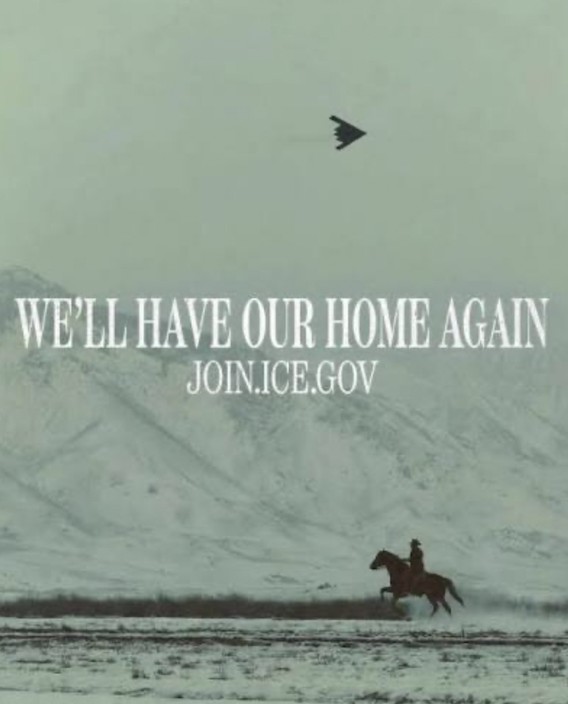
This campaign was created in 2018, long before a federal ICE campaign began circulating imagery that used horses, open land, and rural America to entice recruits. When that recklessly nationalistic campaign launched, it was jarring for many reasons—namely because its visual language overlapped so closely with that of the American West.
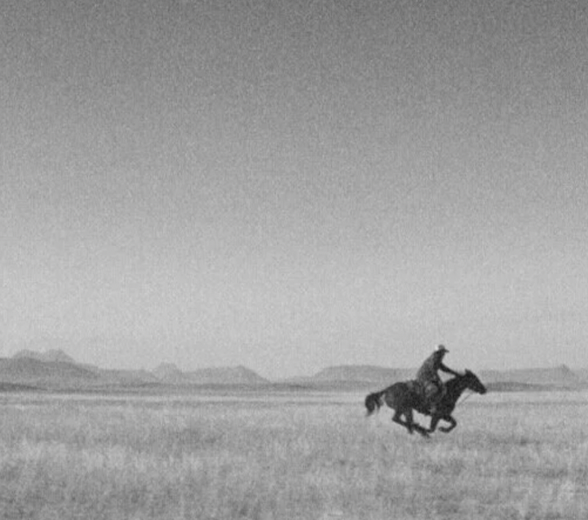
The original hero image for my Wyoming work featured a horse in an open landscape, nearly identical in tone to the later ICE campaign. Once that image began to visually associate with ICE, it became impossible to separate the two. For that reason, I chose to remove the original image and replace it. The decision wasn’t about erasing my original idea—it was about protecting it.
The intent behind my campaign was truth: discovery, open roads, dust, grain, sky—romanticism (sue me, I’m a writer). Visual cues that have long belonged to an America rooted in work, wandering, and possibility. I speak for many when I say that seeing those symbols increasingly absorbed into far-right messaging has been deeply disheartening.
I also shoot film that lives in this same space—old-school Americana that’s observational and imperfect. I know many photographers working in this arena are feeling a similar grief right now: that images once associated with freedom now feel tainted and politically charged—that landscapes which once signaled new beginnings for many are being subverted into symbols of exclusion and fear.
Historically, Wyoming was never a rigid, conservative monoculture. The region was multiracial, shaped by Mexican, Black, and Indigenous peoples, and politically radical. In fact, in 1869, Wyoming became the first government in the world to grant women the right to vote—and later chose to keep that law when applying for statehood, even knowing it could jeopardize its acceptance. In 1890, Wyoming entered the Union as the first U.S. state with women’s suffrage intact.
All this to say, my Wyoming work remains largely unchanged—though my relationship to it has transformed. What was once a simple travel campaign now feels like an attempt to reclaim a visual language. To say that traditional American landscapes can still exist outside dangerous ideologies. That travel is for the open-minded and the curious. And that these images—like the places themselves—are bigger than the narratives imposed on them.
The black-and-white image on the left was the original
title card for this campaign. After nearly identical imagery
appeared in a federal ICE recruitment campaign, the image
was removed to preserve the original intent of the work.